Women's Oktoberfest Outfit Guide for Every Style

Getting dressed for your first Oktoberfest can feel more complicated than it should be. Women traditionally wear a dirndl — a fitted-bodice dress with a full skirt, worn over a blouse and finished with an apron — but there's real room for personal style within that tradition, from classic Bavarian looks to more modern interpretations.
An authentic outfit does more than just look the part. Real fabric, proper construction, and genuine detailing make an outfit more comfortable for a long day of dancing, walking, and standing, while also showing respect for a tradition with real cultural roots. That said, traditional and modern styling aren't in conflict — plenty of women mix classic dirndl silhouettes with contemporary shoes, jewelry, or layering pieces, and both approaches are welcomed at the festival.
This guide walks first-time visitors through exactly what to wear, how to choose a dirndl that fits and flatters, what the apron bow actually signals, which shoes and accessories work best, and how to dress smart for Oktoberfest's genuinely unpredictable weather. Along the way, you'll find outfit ideas for every budget and style, plus a packing checklist to make sure you don't forget anything important. Naturally, you'll also find our Women's Oktoberfest Collection referenced throughout, since Trendy Tannery builds every dirndl, jacket, and accessory in this guide's spirit — genuine materials and real craftsmanship, not costume-quality imitations.
What Should Women Wear to Oktoberfest?
Women traditionally wear a dirndl (a fitted-bodice dress with a full skirt), a blouse underneath, and an apron tied at the waist. For cooler weather, a cardigan or Trachten jacket completes the look, along with comfortable shoes built for a long day on your feet. Traditional accessories — jewelry, a small bag, and hair accessories — finish the outfit.
At a Glance
| Question | Answer |
|---|---|
| Traditional outfit | Dirndl |
| Shoes | Ballet flats or low heels |
| Jacket | Trachten jacket or cardigan |
| Accessories | Apron, jewelry, bag |
| Tourists | Yes, welcome to wear traditional clothing |
| Dress code | Traditional preferred but not required |
What Is a Traditional Women's Oktoberfest Outfit?
What Is a Dirndl?
A dirndl is a traditional Bavarian and Austrian dress featuring a fitted bodice, a full skirt, and an apron tied at the waist, worn over a blouse. It's the defining piece of a women's Oktoberfest outfit and has genuine roots in Alpine regional dress rather than being invented for the festival.
Why Women Wear Dirndls
Women wear dirndls at Oktoberfest to participate in a real cultural tradition, not just to look festive. The dress carries real regional history, and wearing one connects you to that heritage rather than treating the festival as a costume party.
Is Traditional Clothing Required?
No, traditional clothing isn't legally or strictly required at Oktoberfest, but it's the most widely worn and culturally appropriate choice, and many visitors find it enhances the overall experience.
Can Tourists Wear a Dirndl?
Yes, tourists are genuinely welcome to wear a dirndl at Oktoberfest. Choosing an authentic, well-made dirndl over a cheap costume version is generally seen as a sign of respect for the tradition rather than something reserved only for locals.

Essential Pieces of a Women's Oktoberfest Outfit
Dirndl
The centerpiece of the outfit — a fitted bodice and full skirt, available in countless colors, fabrics, and lengths.
Dirndl Blouse
Worn underneath the dirndl, typically white with puffed or fitted sleeves, providing modest coverage while showcasing the bodice.
Apron
Tied over the dirndl skirt at the waist, both decorative and traditionally meaningful in its bow placement.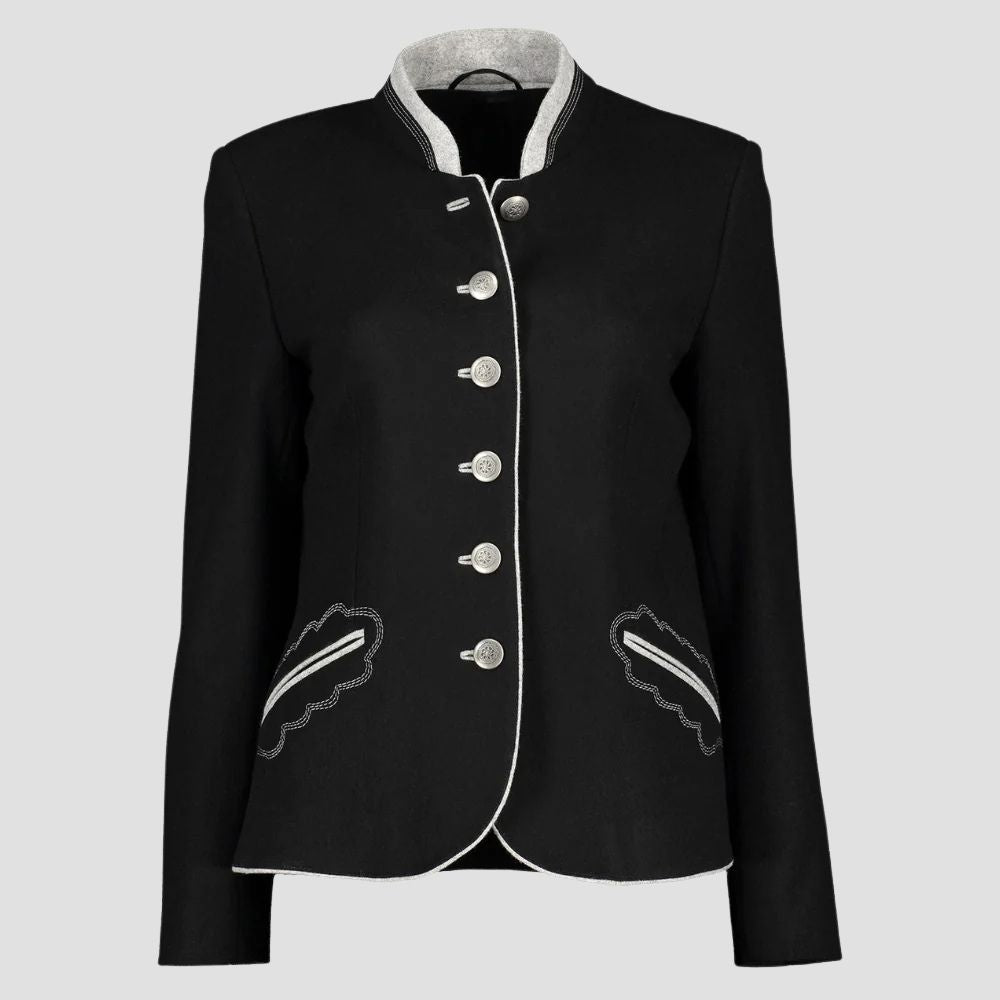
Women's Trachten Jacket
A wool or loden jacket layered over the dirndl for cooler weather or a more polished look.
Cardigan
A lighter, more modern layering alternative for milder conditions.
Comfortable Shoes
Footwear built for a long day of standing, walking, and dancing — comfort matters as much as style here.
Handbag
A small, practical bag — typically a crossbody style — that keeps your hands free for dancing and toasting.
Traditional Jewelry
Simple, classic pieces that complement the dirndl without overwhelming it.
Hair Accessories
Braids, flowers, or ribbons that complete a traditional or semi-traditional look.
How to Choose the Perfect Dirndl
Selecting the Right Length
Dirndl lengths range from short (above the knee) to midi and full-length. Shorter lengths are more common at Oktoberfest itself and offer more ease of movement, while longer lengths suit more formal cultural events.
Choosing the Best Fabric
Cotton is breathable and practical for warm festival days, while velvet and brocade offer a more formal, elevated look for evening events or colder weather.
Picking Traditional Colors
Classic dirndl colors include green, blue, red, and black, though modern collections offer a much wider palette. Traditional color combinations often paired specific bodice and apron colors together.
Finding the Perfect Fit
A dirndl bodice should fit snugly without restricting your breathing, while the skirt should sit comfortably at your natural waist — not your hips — for the correct traditional silhouette.
Budget vs. Premium Dirndls
Budget dirndls typically use lighter cotton blends and simpler construction, while premium versions feature higher-quality fabric, more detailed embroidery, and sturdier lacing and stitching built to last for many festivals rather than one season.
Understanding Dirndl Apron Bow Placement
The position of your dirndl apron bow is one of the best-known traditions in Bavarian Trachten culture — a small detail that traditionally signals relationship status without a word being said. It's worth noting this specific bow-position custom, in its widely recognized modern form, became broadly standardized more recently than most people assume, though the general idea of Alpine dress signaling social status goes back further. Today it's treated as a fun, well-known tradition rather than a strict rule everyone follows.
| Bow Position | Traditional Meaning |
|---|---|
| Left | Single |
| Right | Taken, engaged, or married |
| Center (Front) | Virgin, or prefers not to disclose status |
| Back | Widowed, or working as a server |
Traditional vs. Modern Women's Oktoberfest Outfits
| Traditional | Modern Alternative | Best For |
|---|---|---|
| Dirndl | Floral Dress | Casual visitors |
| Trachten Jacket | Cardigan | Cool weather |
| Leather Shoes | Ballet Flats | Comfort |
| Traditional Jewelry | Minimal Jewelry | Modern style |
Best Shoes for Women's Oktoberfest Outfits
Ballet flats are one of the most popular choices, offering all-day comfort without sacrificing a polished look. Mary Janes add a slightly more traditional, vintage-inspired detail while remaining practical. Low block heels work well for those who want a bit more height without risking comfort or stability on uneven tent floors. Leather boots are a sturdy, weather-ready option, especially for cooler or rainy conditions.
What shoes to avoid: high stilettos, which are genuinely impractical on grass, cobblestones, and crowded tent floors, along with flip-flops or beach sandals, which offer neither the support nor the appropriate style for the occasion.
How to Style Your Hair for Oktoberfest
Braids
Simple braids are a classic, low-maintenance option that pairs naturally with a dirndl and holds up well through a long day of dancing.
Crown Braids
A more elevated take on the braided look, worn wrapped around the head for a distinctly traditional Alpine feel.
Loose Waves
A softer, more modern alternative that still feels festive and pairs easily with hair accessories.
Hair Accessories
Flowers, ribbons, and traditional hair combs add a finishing touch to any of the above styles.
Women's Oktoberfest Accessories
- Jewelry — simple, classic pieces that complement rather than compete with the dirndl
- Crossbody bags — practical and hands-free for a long day of dancing and toasting
- Shawls — a stylish layering option for cooler evenings
- Hats — an optional but eye-catching traditional accessory
- Scarves — add color and warmth without bulk
- Belts — can accent the waist over certain dirndl styles
- Hair flowers — a simple way to add traditional Alpine detail to any hairstyle

Dressing for Oktoberfest Weather
Warm Days
Choose lightweight cotton dirndls and skip heavy layering — you'll be moving and dancing, and breathable fabric matters more than you'd expect.
Cold Evenings
Layer with a Trachten jacket or cardigan, since temperatures can drop noticeably once the sun goes down, even on a warm day.
Rainy Weather
Bring a weather-appropriate layer and consider boots over flats, since festival grounds can get genuinely muddy.
Layering Tips
Pack one warm layer even if the forecast looks mild — Oktoberfest weather is famously unpredictable, and having a jacket or cardigan on hand beats being cold for hours.
Women's Oktoberfest Outfit Ideas
Classic Bavarian Look
A traditional green or red dirndl, white blouse, apron tied on the left or right, ballet flats, and simple traditional jewelry.
Elegant Oktoberfest Outfit
A velvet or brocade dirndl in a richer color, paired with a Trachten jacket, low heels, and more refined jewelry for an evening event.
Modern Oktoberfest Style
A shorter, contemporary-cut dirndl in a non-traditional color, styled with a cardigan, minimal jewelry, and modern flats.
Budget-Friendly Outfit
A simple cotton dirndl, basic blouse, and comfortable shoes you likely already own, kept intentionally understated.
Luxury Oktoberfest Outfit
A premium fabric dirndl with detailed embroidery, a genuine leather Trachten jacket, and quality accessories built to last for many seasons.
Couple Matching Outfit
A dirndl and men's Lederhosen coordinated in complementary colors for a cohesive, photo-ready look.
Friends Group Outfit
Coordinating (not identical) dirndls in a shared color palette, giving the group a cohesive look while letting individual style still show through.
Common Women's Oktoberfest Outfit Mistakes
- Wearing costume-quality dresses that look cheap up close and don't hold up through a full day
- Choosing uncomfortable shoes without accounting for hours of standing, walking, and dancing
- Wearing overly short skirts that read as costume rather than traditional dress
- Ignoring the weather and packing only for the forecast you hope for, not the one you'll likely get
- Forgetting accessories that pull the whole outfit together
- Poor sizing, especially around the bodice, which needs to fit snugly but shouldn't restrict breathing
What Not to Wear to Oktoberfest
- Halloween costumes — synthetic, costume-store dirndls read as exactly that
- High stilettos — impractical on grass, cobblestones, and crowded tents
- Flip-flops — no support for a full day on your feet
- Sportswear — doesn't fit the occasion or the traditional spirit of the event
- Cheap polyester costumes — visibly synthetic and uncomfortable over a long day
- Evening gowns — too formal and impractical for the setting
- Oversized handbags — awkward to manage in crowded tents and while dancing
How to Buy an Authentic Women's Oktoberfest Outfit
Fabric quality should be the first thing you check — genuine cotton, wool, or velvet rather than cheap synthetic blends. Stitching should be even and reinforced at stress points like the bodice and waistband. Authentic embroidery should look hand-finished and detailed, not printed or glued on.
Proper fit matters more than most first-time buyers expect, since a dirndl that's cut correctly will flatter your shape far better than an ill-fitting costume version. Trusted retailers — ones with clear product descriptions, genuine reviews, and real return policies — are worth prioritizing over the cheapest option you can find. All of this adds up to real long-term value: a well-made dirndl can be worn for years of festivals, not replaced every season.
Caring for Your Dirndl and Accessories
Cleaning — check the care label first; many cotton dirndls can be gently machine washed, but the apron should typically be washed separately to prevent color bleeding, and delicate fabrics like velvet usually need dry cleaning. Storage — hang your dirndl on a proper hanger in a cool, dry space rather than folding it, to avoid deep creases.
Leather care — if your outfit includes leather accessories or shoes, condition them periodically and never machine wash. Wrinkle prevention — iron the apron and ribbons gently before wearing, and store the dirndl hung rather than folded between uses. Seasonal maintenance — before storing your outfit until next festival season, make sure everything is completely clean and dry to avoid damage while in storage.
Women's Oktoberfest Packing Checklist
| Item | Pack |
|---|---|
| Dirndl | ✔ |
| Blouse | ✔ |
| Apron | ✔ |
| Shoes | ✔ |
| Cardigan | ✔ |
| Jewelry | ✔ |
| Crossbody Bag | ✔ |
| Hair Accessories | ✔ |
| Weather Layer | ✔ |
Where to Buy Women's Oktoberfest Outfits
At Trendy Tannery, our Women's Bavarian Clothing Collection is built around exactly the standards this guide covers — genuine fabrics, real craftsmanship, and traditional detailing rather than costume-quality shortcuts. Our Women's Dirndls span classic and modern styles across a range of colors and fabrics, and our Women's Trachten Jackets offer real warmth without sacrificing the traditional look. Our Women's Oktoberfest Accessories round out a complete outfit, from jewelry to traditional finishing touches, so you can build your entire look in one place with confidence in the materials and construction behind it.
Key Takeaways
- A dirndl is the traditional women's Oktoberfest outfit.
- Comfortable footwear is essential.
- Choose authentic fabrics and quality craftsmanship.
- Dress for changing weather with lightweight layers.
- Complete your look with traditional accessories.
- Invest in quality pieces for long-term wear.
Conclusion
Building an authentic, comfortable women's Oktoberfest outfit comes down to a few genuine essentials: a well-fitted dirndl, quality fabric, comfortable shoes, and the right layers for changing weather. Traditional Bavarian clothing is welcomed and respected at the festival, whether you're a first-time visitor or a longtime attendee, and investing in real, well-made pieces means your outfit can travel with you to many future festivals rather than being a one-time costume.
Ready to build your own look? Explore the Trendy Tannery Women's Oktoberfest Collection, including genuine dirndls, women's Trachten jackets, Bavarian blouses, and traditional accessories — and consider shopping early, since the best styles and sizes tend to sell out as festival season approaches.
👉 Shop the Women's Oktoberfest Collection Now
Frequently Asked Questions
Q: What should women wear to Oktoberfest?
A: A dirndl with a blouse and apron, finished with comfortable shoes and, for cooler weather, a cardigan or Trachten jacket.
Q: Is a dirndl required?
A: No, a dirndl isn't legally required, but it's the traditional and most widely worn outfit at Oktoberfest.
Q: Can tourists wear a dirndl?
A: Yes, tourists are welcome to wear a dirndl — choosing an authentic, well-made version is generally seen as respectful of the tradition.
Q: What shoes should women wear?
A: Ballet flats, Mary Janes, or low block heels are the most practical and popular choices for comfort over a long festival day.
Q: How should a dirndl fit?
A: The bodice should fit snugly without restricting breathing, and the skirt should sit at your natural waist rather than your hips.
Q: What does the apron bow mean?
A: Traditionally, left means single, right means taken, center front means virgin or undecided, and back means widowed or working as a server.
Q: Can I wear sneakers?
A: While not traditional, some women do wear sneakers for comfort — ballet flats or low heels are the more classic choice if you want an authentic look.
Q: What jacket goes with a dirndl?
A: A wool or loden Trachten jacket is the traditional choice, while a cardigan offers a lighter, more modern alternative.
Q: Are short dirndls acceptable?
A: Yes, shorter dirndls (above the knee) are common and widely accepted at Oktoberfest itself.
Q: What jewelry should I wear?
A: Simple, classic pieces that complement the dirndl without overwhelming it work best.
Q: Can I wear modern clothing?
A: Yes, modern interpretations like floral dresses or cardigans instead of a full traditional jacket are common and accepted.
Q: What colors are traditional?
A: Green, blue, red, and black are among the most traditional dirndl colors, though modern collections offer a much wider range.
Q: What bag should I carry?
A: A small crossbody bag is the most practical choice, keeping your hands free for dancing and toasting.
Q: Is Oktoberfest cold at night?
A: Yes, temperatures often drop noticeably in the evening even on warm days, so packing a jacket or cardigan is genuinely important.
Q: Can I wear boots?
A: Yes, leather boots are a practical and stylish option, especially for cooler or rainy conditions.


