What Is the Traditional Bavarian Outfit Worn at Oktoberfest?

Oktoberfest draws millions of visitors to Munich every year, and a huge part of that experience is the clothing — traditional Bavarian Trachten that's been worn for generations, not invented for the festival. Understanding what this outfit actually is, and why it matters, helps explain why so many people choose to wear it rather than a costume-store alternative.
Traditional Bavarian clothing carries real cultural weight. Millions of people wear genuine Trachten every year, not as a costume, but as a continuation of regional dress with roots that predate Oktoberfest itself. That's exactly where the difference between an authentic outfit and a cheap costume becomes meaningful — one connects you to a real tradition, while the other is a synthetic imitation designed for a single wear.
This guide covers exactly what the traditional Bavarian outfit consists of for both men and women, where it came from, why people still wear it today, and how to tell an authentic piece from a costume version. You'll also find practical guidance on materials, fit, pricing, and care, whether you're planning your first Oktoberfest trip or building out your Trachten wardrobe for years of festivals to come.
At Trendy Tannery, our collection of Lederhosen, Trachten jackets, and traditional accessories is built around exactly the standards this guide describes — genuine materials and real Bavarian-inspired craftsmanship, not costume-quality shortcuts.
What Is the Traditional Bavarian Outfit?
"Trachten" is the German term for traditional regional dress, and it's the umbrella term covering everything from Lederhosen and Dirndls to the shirts, jackets, and accessories that complete each outfit. The word itself simply means "traditional costume" or "traditional dress," but its meaning in practice runs much deeper than that direct translation suggests.
Trachten originated in Bavaria and the broader Alpine regions of southern Germany and Austria, developing over centuries as practical clothing for rural, working communities. Its cultural importance comes from that real history — Trachten historically signaled a wearer's home region, social standing, or occasion, with distinct regional variations that locals could read at a glance. Traditional craftsmanship remains central to what makes Trachten authentic today: genuine leather, natural fabrics, and hand-finished embroidery, built by artisans trained in techniques passed down through generations.
That combination of history and craftsmanship is exactly why Trachten is still worn today — not as a costume, but as a living tradition that connects modern wearers to real Bavarian and Austrian heritage.
What Do Men Traditionally Wear at Oktoberfest?
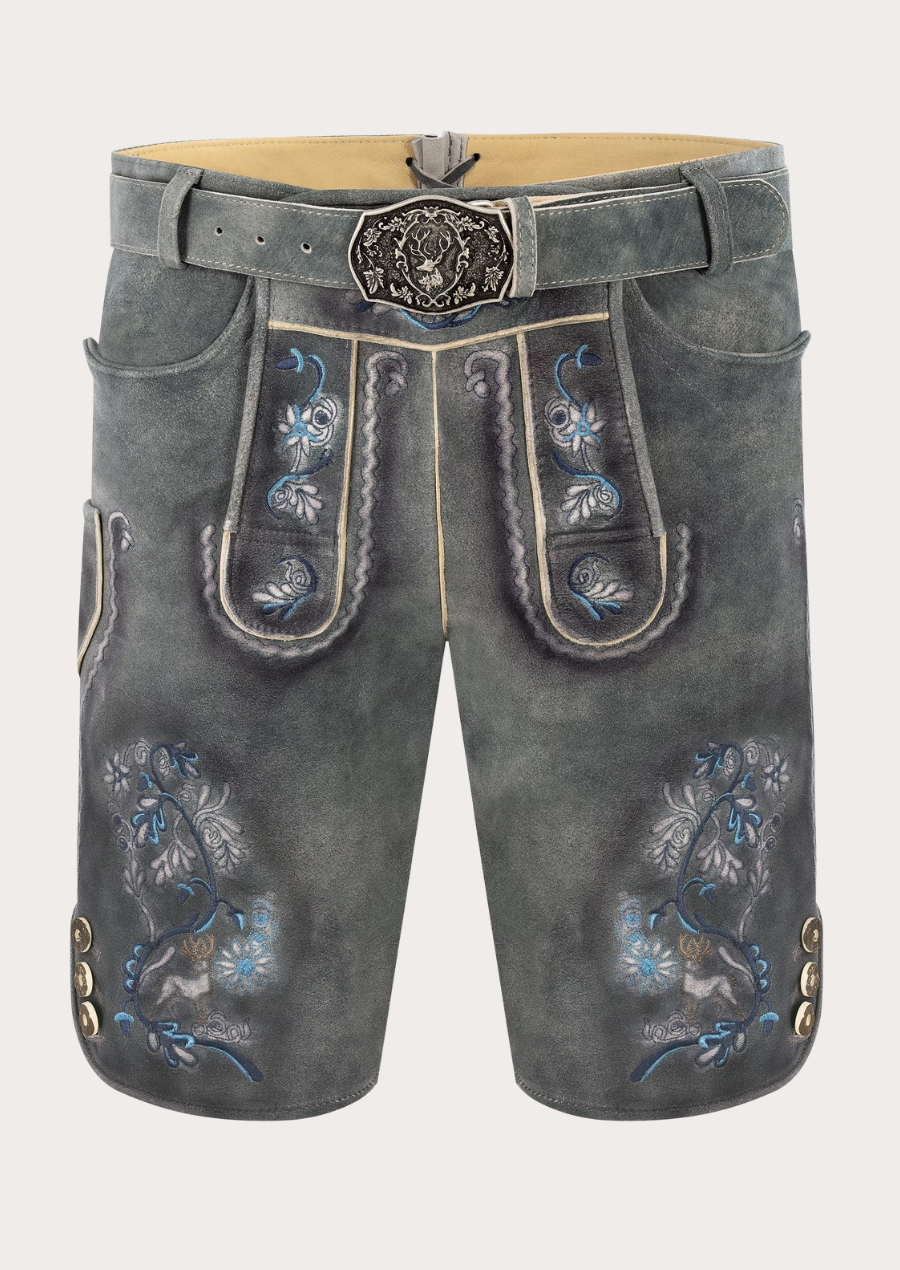
Lederhosen
The centerpiece of a men's outfit — traditional leather shorts or knee-length trousers, featuring a distinctive front flap (Hosenlatz) and decorative embroidery.
Trachten Shirt
Typically checkered or white, worn underneath the Lederhosen as the outfit's foundational layer.
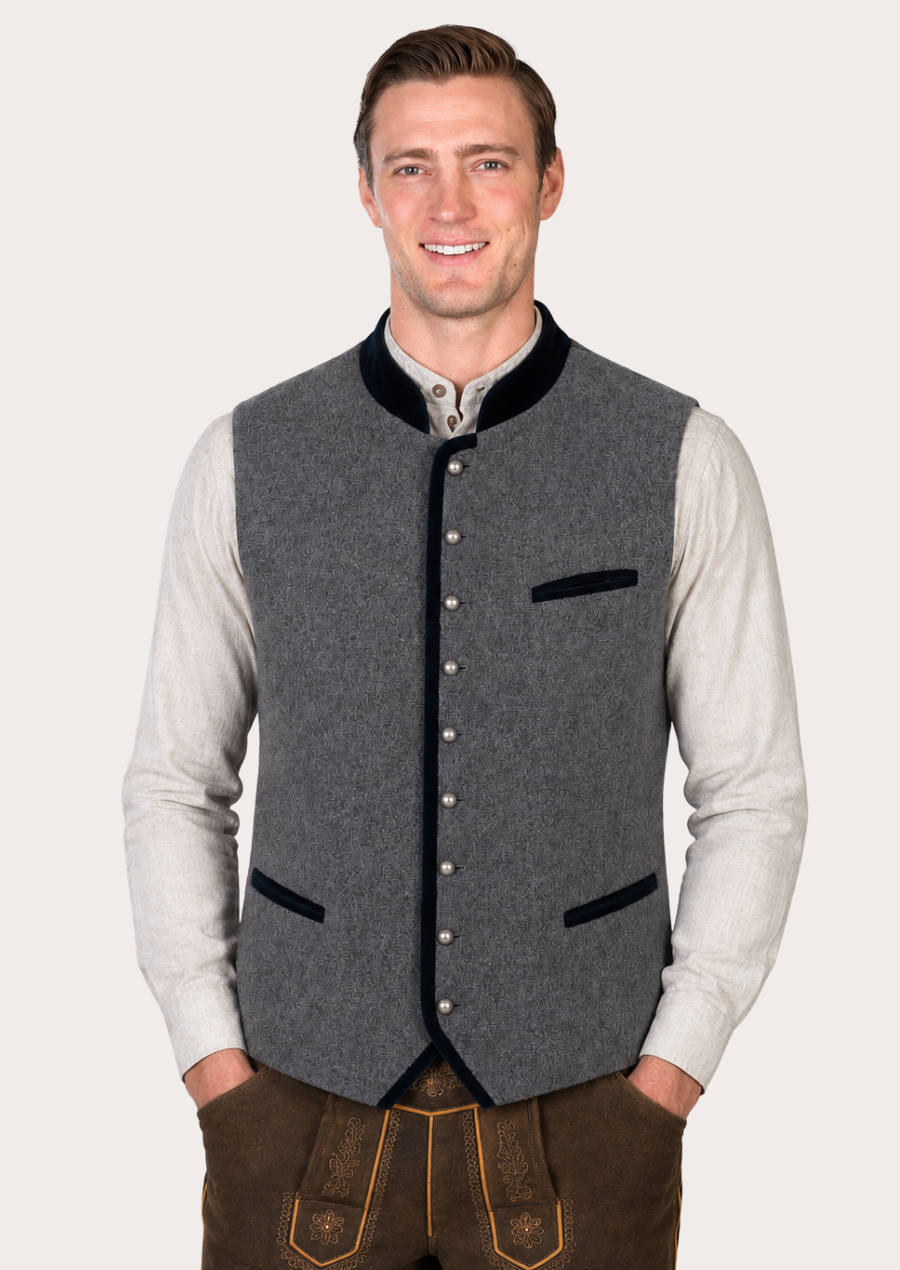
Trachten Vest
A layered piece worn over the shirt, adding a more structured, formal look to the outfit.
Trachten Jacket
A wool or loden jacket for cooler weather or more formal occasions, often featuring horn buttons and traditional embroidery.
Loferl Socks
Traditional calf warmers that leave the ankle bare, a distinctive detail of the classic Bavarian silhouette.
Haferl Shoes
Sturdy, traditional leather shoes designed for comfort through a long day of walking and dancing.
Alpine Hat
A felt hat, often decorated with a feather, brush, or pin, completing the traditional look.
Leather Belt
A functional and decorative piece, sometimes replacing suspenders depending on the specific Lederhosen style.
Traditional Accessories
Items like a Charivari (a decorative chain worn on the vest) or a traditional pocket knife add authentic finishing detail.
What Do Women Traditionally Wear at Oktoberfest?
Dirndl Dress
The centerpiece of a women's outfit — a fitted-bodice dress with a full skirt, available in countless colors and fabrics.
Dirndl Blouse
Worn underneath the dirndl, typically white with puffed or fitted sleeves.
Apron
Tied over the dirndl skirt at the waist, both decorative and traditionally meaningful in its bow placement.
Petticoat (Optional)
Worn beneath the skirt to add fullness and enhance the traditional silhouette.
Trachten Jacket
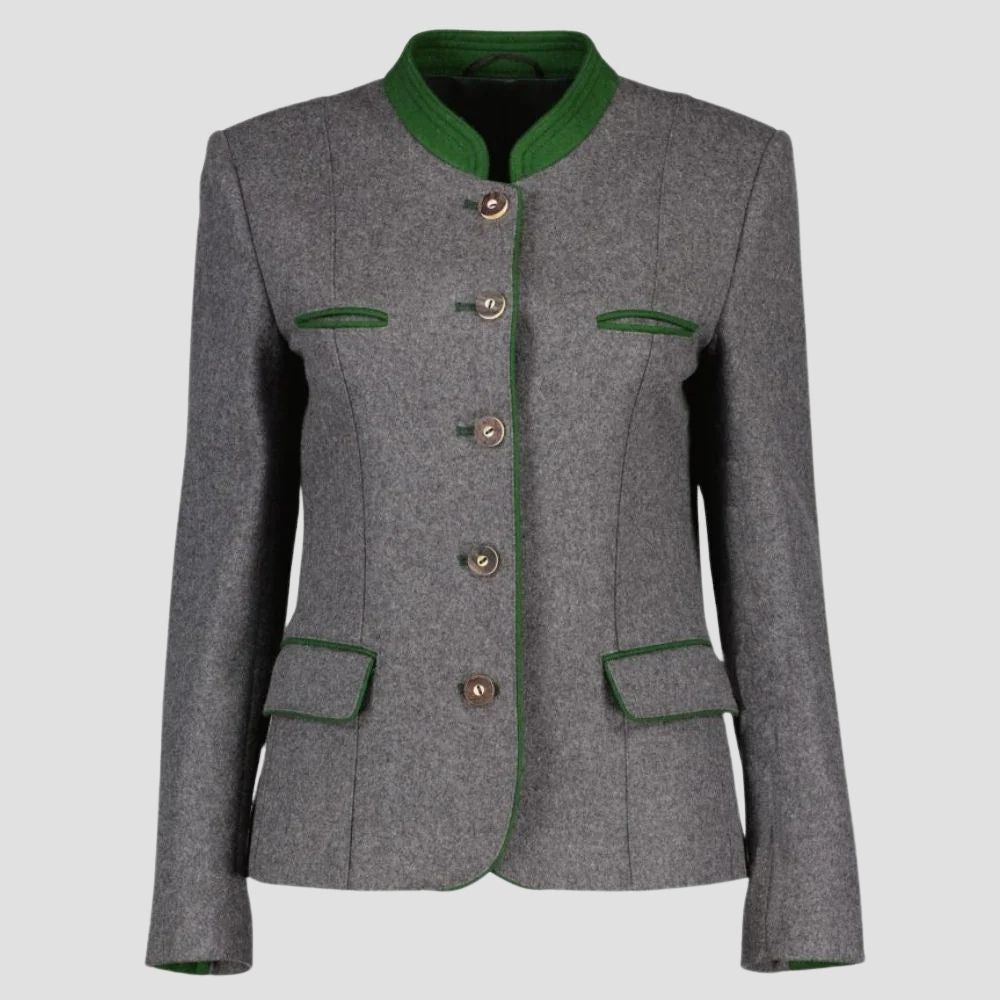
A wool or loden jacket layered over the dirndl for cooler weather or a more polished look.
Traditional Shoes
Comfortable, classic footwear suited to a long day of standing, walking, and dancing.
Jewelry
Simple, traditional pieces that complement the dirndl without overwhelming it.
Hair Accessories
Braids, ribbons, or flowers that complete a traditional look.
Shawls & Cardigans
Practical layering options for cooler evenings or milder alternatives to a full Trachten jacket.
History of Bavarian Traditional Clothing
Trachten has genuine Alpine origins, developing across the mountainous regions of southern Germany and Austria as practical, hardworking clothing suited to the demands of rural life. Rural farming communities shaped much of what we now recognize as traditional Bavarian dress, since genuine leather and natural fabrics were chosen for durability rather than decoration in the earliest versions of these garments.
Royal influence played a real role in Trachten's evolution as well, as Bavarian nobility and royalty adopted regional dress as a mark of countryside style and cultural pride, elevating what had started as working-class clothing. That evolution into festival clothing accelerated as Trachten became associated with celebrations, folk festivals, and cultural pride rather than purely everyday wear. The modern Oktoberfest tradition, which formally declared Lederhosen and Dirndls as appropriate festival attire in 1887, cemented Trachten's place as the defining clothing of the celebration — a tradition that has continued essentially unbroken since.
Why Do People Wear Traditional Bavarian Clothing?
Respect for tradition is one of the most genuine reasons people choose authentic Trachten — wearing real, well-made regional dress is a way of honoring a centuries-old custom rather than treating it as a costume. That respect connects directly to festival spirit, since Trachten has become inseparable from the actual experience of Oktoberfest and similar celebrations.
Cultural identity plays a real role too, particularly for people with genuine Bavarian or Austrian heritage, for whom Trachten represents a tangible connection to family and regional history. Comfort is a more practical reason: well-made Trachten, built from genuine materials, is designed for a long day of movement, dancing, and standing in a way that casual clothing often isn't.
Fashion appeal has also kept Trachten relevant well beyond strictly cultural contexts, as modern styling has made traditional pieces genuinely fashionable in their own right. Family heritage motivates many wearers, particularly those passing down heirloom pieces across generations. Finally, photography and celebrations give Trachten a natural, ongoing role — it's clothing built to be remembered, not just worn once and discarded.

Traditional Bavarian Outfit vs. Oktoberfest Costume
| Feature | Traditional Bavarian Outfit | Oktoberfest Costume |
|---|---|---|
| Material | Genuine leather, wool, cotton, linen | Synthetic polyester blends |
| Quality | High, hand-finished detailing | Low, mass-produced uniformity |
| Authenticity | Rooted in real regional tradition | Designed to imitate the look only |
| Comfort | Improves with wear, breathable | Stiff, often non-breathable |
| Durability | Lasts years to decades | Often doesn't survive one season |
| Appearance | Natural texture, authentic detail | Uniform, visibly synthetic |
| Best For | Long-term wear, genuine cultural respect | One-time, casual costume use |
Traditional Materials Used
- Deer Leather — exceptionally soft and premium, favored for high-end Lederhosen
- Goatskin — durable yet flexible, a strong everyday balance of comfort and toughness
- Cowhide — the most robust and long-lasting leather option
- Linen — lightweight and breathable, ideal for blouses and warm-weather wear
- Cotton — soft and versatile, commonly used for shirts and blouses
- Wool — warm and durable, the traditional choice for Trachten jackets
- Velvet — a luxurious material used for more formal vests and accents
- Felt — the traditional material for Alpine hats, valued for shape retention and durability
Essential Accessories
Men's Accessories
- Suspenders
- Belt
- Hat
- Charivari (decorative chain)
- Pocket Knife
- Loferl Socks
- Haferl Shoes
Women's Accessories
- Apron
- Jewelry
- Hair Ribbons
- Flower Crown
- Shawl
- Purse
- Traditional Shoes
Colors and Embroidery
Traditional Colors
- Brown
- Black
- Green
- Gray
- Navy
- Burgundy
- Beige
Embroidery Meaning
Traditional embroidery motifs carry genuine regional significance, historically identifying a wearer's home area or personal history. Oak leaves symbolize strength and endurance, reflecting the oak tree's cultural importance in Alpine regions. Edelweiss, the Alpine flower, represents purity, courage, and resilience, since it grows in genuinely difficult mountain conditions. Deer and stag motifs connect to hunting tradition and Alpine wildlife, reflecting the working, rural roots of Trachten clothing. Alpine flowers more broadly symbolize the natural beauty of the mountain regions where Trachten originated, while hunting symbols tie directly back to the practical, outdoor lifestyle that shaped traditional Bavarian dress in the first place.
How to Choose the Right Bavarian Outfit
- Authentic materials — prioritize genuine leather, wool, cotton, or linen over synthetic substitutes
- Proper fit — leather pieces should feel snug initially and soften with wear; fabric pieces should fit closer to standard sizing
- Occasion — formal cultural events call for more refined pieces than a casual beer garden visit
- Budget — decide your investment level based on how often you'll realistically wear the outfit
- Comfort — prioritize pieces built for a full day of movement, not just how they look in photos
- Color — traditional shades for a classic look, or personal preference within traditional options
- Accessories — shoes, hats, and jewelry often make the biggest visible difference in overall authenticity
How Should a Traditional Bavarian Outfit Fit?
Men
Lederhosen should feel firm and snug at the waist when new, since genuine leather naturally stretches with wear. The chest and shoulder fit of a Trachten shirt or vest should allow comfortable movement without feeling restrictive. Length matters for choosing between short and knee-length Lederhosen based on the occasion. Overall comfort and movement should allow for dancing, walking, and sitting throughout a long festival day without restriction.
Women
A dirndl bodice should fit snugly around the waist and chest without restricting breathing. The skirt length should be chosen based on the occasion — shorter for casual festival wear, longer for more formal events. Comfort matters just as much as fit, since the dirndl needs to hold up through hours of standing and dancing. Overall movement shouldn't be restricted by an overly tight bodice or improperly placed apron.
Best Occasions to Wear Traditional Bavarian Clothing
Oktoberfest remains the definitive occasion, but traditional Bavarian clothing is equally suited to German beer festivals and broader Volksfest celebrations throughout the year. Cultural festivals and Bavarian weddings call for more refined, formal pieces, while heritage celebrations give Trachten room to work as a genuine expression of family and regional identity. Theme parties, parades, and travel to Germany round out the list, along with family events where traditional dress carries real personal meaning rather than just festival spirit.
Best Seasons to Wear Bavarian Outfits
Spring
Traditional festivals begin, offering early opportunities to wear Trachten outside of the fall Oktoberfest rush.
Summer
Beer gardens and outdoor celebrations provide a relaxed, everyday setting for lighter Trachten pieces.
Early Fall
Peak Oktoberfest season — the most concentrated and widely recognized time to wear a full traditional outfit.
Autumn Festivals
Ideal weather for complete Trachten outfits, since cooler temperatures suit jackets and layered pieces well.
Cultural Events Year-Round
Suitable for German-themed celebrations worldwide, since Trachten isn't limited strictly to fall festival season.
Common Mistakes to Avoid
- Buying cheap costumes that look the part in photos but don't hold up through a real festival day
- Ignoring sizing and relying on standard clothing measurements instead of proper Trachten fit guides
- Choosing synthetic leather without realizing it, due to vague or misleading product descriptions
- Over-accessorizing, which can make an outfit feel more like a costume than authentic traditional dress
- Ignoring traditions, like proper apron bow placement or correct embroidery styling
- Poor footwear choice, prioritizing style over the comfort needed for a long day of standing and dancing
- Shopping at the last minute, missing out on the best selection and sizing before peak season
Price Guide
- Budget: Entry-level genuine materials with classic styling — accessible for first-time buyers.
- Mid-Range: Premium leather and fabrics with detailed embroidery and improved construction.
- Premium Handmade: Full-grain leather or deerskin, hand-finished embroidery, and heirloom-quality craftsmanship.
(Note: this brief specified adding actual pricing later — update with real figures matching your current product costs before publishing.)
How to Care for Traditional Bavarian Clothing
Leather care — condition genuine leather Lederhosen and accessories every few months, and never machine wash. Cleaning shirts — most cotton or linen Trachten shirts can be gently machine washed on a cool, delicate cycle, though checking the specific care label is always worth it. Dirndl care — wash the apron separately from the dirndl to prevent color bleeding, and dry clean delicate fabrics like velvet.
Storage — hang leather and fabric Trachten pieces on proper hangers in a cool, dry space rather than folding them, to avoid deep creases. Embroidery maintenance — avoid harsh scrubbing directly on embroidered areas, spot cleaning gently instead. Professional cleaning — for deeper stains or valuable, heirloom-quality pieces, a specialist cleaner is worth the investment.
Why Authentic Bavarian Clothing Costs More
Premium leather costs significantly more to source and process than synthetic materials, and that cost is reflected directly in the final price of genuine Lederhosen and accessories. Traditional tailoring requires trained artisans and time-intensive construction techniques that simply can't be replicated by mass-production methods. Hand embroidery adds real, detailed labor to each piece — the kind of work a machine can't replicate at the same quality level.
Quality materials overall — genuine leather, real wool, natural cotton and linen — cost more upfront but deliver a genuinely long lifespan, which is exactly why authentic pieces tend to offer better long-term value despite the higher initial investment. That combination of skilled labor and premium materials is what authentic craftsmanship really means, and it's the reason genuine Trachten holds up the way cheap costumes simply can't.
Why Buy from Trendy Tannery?
- Premium genuine leather in every piece
- Traditional Bavarian-inspired craftsmanship in every detail
- High-quality materials across our full Trachten collection
- Quality inspected products before every item ships
- Worldwide shipping to the USA, Canada, the UK, Australia, and beyond
- Secure checkout — encrypted payment to protect your details
- Excellent customer support for sizing and styling questions
- Wide range of sizes to fit different body types
Shop with Confidence
- Secure payments — encrypted checkout protecting your personal and payment information
- Worldwide delivery — reliable, tracked shipping wherever you're ordering from
- Easy returns — a straightforward process if sizing or style isn't quite right
- Size assistance — real guidance to help you find the correct fit
- Premium craftsmanship — every piece built with genuine care and attention to detail
- Dedicated support — responsive help with questions before and after your purchase
- Quality guarantee — genuine materials and authentic craftsmanship in every order
Celebrate Oktoberfest in Authentic Bavarian Style
Experience the tradition, craftsmanship, and timeless appeal of authentic Bavarian clothing with Trendy Tannery. Whether you're looking for genuine Lederhosen, elegant Dirndls, Trachten jackets, or complete Oktoberfest outfits, our collection combines premium materials with traditional-inspired designs for comfort, durability, and authentic festival style.
👉 Shop Authentic Bavarian Oktoberfest Clothing Today
Frequently Asked Questions
Q: What is the traditional Bavarian outfit called?
A: It's called Trachten, the German term for traditional regional dress, which includes Lederhosen and Dirndls along with their accompanying pieces.
Q: What do men wear at Oktoberfest?
A: Men typically wear Lederhosen, a Trachten shirt, and often a vest or jacket, finished with traditional socks, shoes, and a hat.
Q: What do women wear at Oktoberfest?
A: Women typically wear a Dirndl with a blouse and apron, sometimes layered with a Trachten jacket and traditional accessories.
Q: What is Trachten?
A: Trachten is the German term for traditional regional dress, historically signaling a wearer's home region, social standing, or occasion.
Q: What are Lederhosen?
A: Lederhosen are traditional leather shorts or knee-length trousers, historically worn as durable workwear and now the centerpiece of a men's Oktoberfest outfit.
Q: What is a Dirndl?
A: A Dirndl is a traditional dress featuring a fitted bodice and full skirt, worn with a blouse and apron.
Q: Can tourists wear Bavarian clothing?
A: Yes, tourists are welcome to wear traditional Bavarian clothing — choosing authentic, well-made pieces over cheap costumes is generally seen as respectful of the tradition.
Q: Is traditional Oktoberfest clothing mandatory?
A: No, it isn't mandatory, but it's the most widely worn and culturally appropriate choice at the festival.
Q: What shoes should I wear?
A: Haferl shoes are the traditional choice for men, while women typically wear comfortable, classic shoes suited to a long festival day.
Q: What accessories complete the outfit?
A: For men, suspenders, a hat, and traditional socks; for women, an apron, jewelry, and hair accessories.
Q: Is Lederhosen made from real leather?
A: Authentic Lederhosen are made from genuine leather, such as cowhide, goatskin, or deerskin, rather than synthetic materials.
Q: How should Lederhosen fit?
A: Lederhosen should feel snug when new, since genuine leather naturally stretches and softens with wear.
Q: How should a Dirndl fit?
A: The bodice should fit snugly without restricting breathing, and the skirt should sit at your natural waist rather than your hips.
Q: Which colors are traditional?
A: Brown, black, green, and gray are among the most traditional colors, though navy, burgundy, and beige are also common.
Q: Can I wear Bavarian clothing outside Oktoberfest?
A: Yes, Trachten is suitable for other festivals, cultural events, weddings, and even everyday wear depending on the specific style.
Q: How much does authentic Bavarian clothing cost?
A: Prices vary by material and craftsmanship, ranging from an accessible entry-level tier up to premium, handmade pieces.
Q: How do I clean Lederhosen?
A: Condition the leather regularly, spot clean stains, avoid machine washing, and store on a proper hanger in a cool, dry place.
Q: How do I care for a Dirndl?
A: Wash the apron separately, follow the fabric-specific care label, and store the dirndl hung rather than folded.
Q: Where can I buy authentic Bavarian clothing?
A: Authentic Trachten is available from specialized retailers, traditional Bavarian brands, and trusted premium online stores like Trendy Tannery.


